Loading...
Cocorose London: Building resilience in a changing climate
20 October 2026
Read time: 7 minutes
We've partnered with Small Business Britain to better understand the challenges, opportunities and evolving risks they face. We're listening to small business owners with the aim of strengthening conversations between businesses, brokers and insurers. Not only to help deliver practical, relevant support, but to enable them to grow, build resilience and thrive.
We're putting together a series of case studies, where we explore real-life scenarios with UK-based small businesses. You'll find all of these stories here on our site, with a new one released each month.
Introducing the fourth case study of our series, where we focus on Cocorose London.
Following a summer of extreme heat across the UK, many small businesses are taking stock of how changing weather patterns could affect their operations. While the impact of climate change is often associated with damage to physical property, its influence can extend much further. It can affect customer demand, supply chains, staffing, logistics, and day-to-day business decisions.
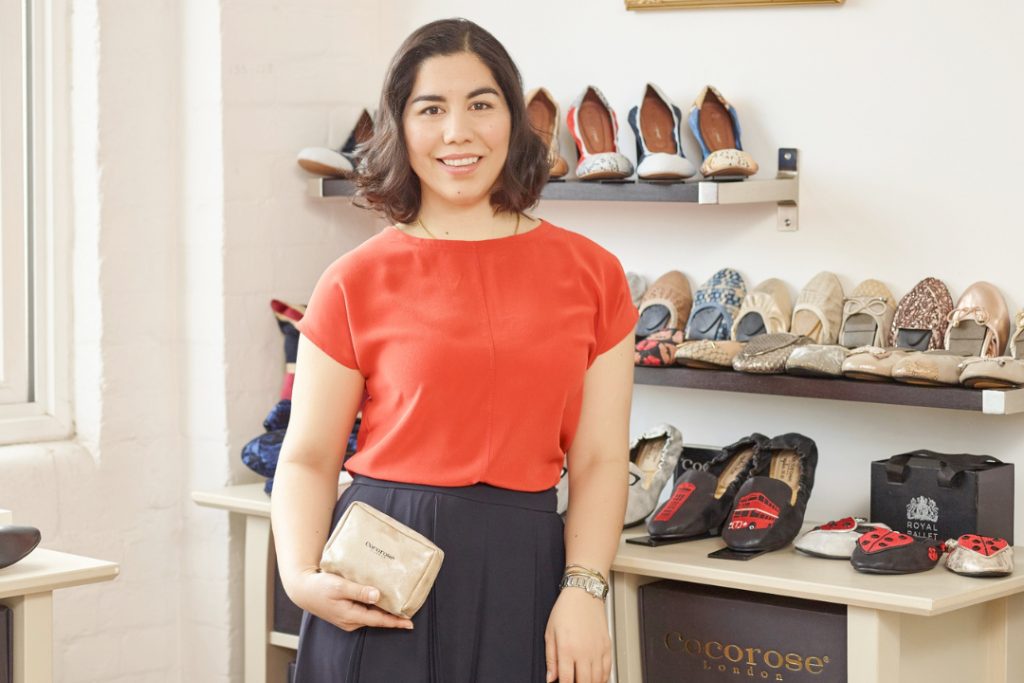
For Cocorose London, adapting to these challenges has become an increasingly important part of business planning. Founded in 2007, the independent British footwear brand was built on a simple idea: women should not have to choose between style, comfort and practicality. What began with the invention of a foldable shoe has grown into a multi-award-winning brand.
Today, Cocorose continues to design and produce thoughtfully crafted footwear, while navigating a business landscape where weather patterns are becoming increasingly difficult to predict.
For many retailers, seasonal planning has traditionally followed a predictable pattern, with spring/summer and autumn/winter collections designed and produced months before they reach customers. However, as weather patterns become less consistent, businesses are finding that customer demand does not always align with the traditional retail calendar.
At Cocorose, this shift has prompted a more flexible approach to product planning. Rather than relying solely on major seasonal launches, the business has introduced multiple product releases throughout the year.
The challenge became particularly apparent during the extreme heat experienced across the UK during this year's summer. During prolonged periods of high temperatures, customer buying habits shifted noticeably. Demand moved away from traditional footwear styles as consumers prioritised products better suited to hot weather conditions.
For an independent business, responding quickly to these changes is not always straightforward. Product development and manufacturing decisions are made well in advance, meaning businesses cannot immediately introduce new products when weather conditions change unexpectedly. This highlighted the importance of regularly reviewing customer behaviour, and remaining adaptable when external factors influence demand.
It has reinforced for me that product development needs to respond to what we are learning from each season. If customers suddenly need something different because of the weather, you cannot necessarily create and manufacture that product overnight.
Janan Leo, Cocorose London
Like many small businesses, Cocorose operates within a wider network of suppliers, manufacturers and service providers. The business manufactures predominantly in China and Portugal, creating potential exposure to disruption further along the supply chain.
While Cocorose has not experienced a major weather-related interruption, Janan recognises that extreme weather events such as flooding, storms and transport disruption could affect manufacturing facilities, distribution networks and international shipping routes.
Understanding potential vulnerabilities has become an increasingly important part of the company's resilience planning.
Recognising that extreme weather events are becoming more frequent and unpredictable, Cocorose has focused on strengthening the areas it can control. This includes building greater flexibility into its operations, considering alternative suppliers, improving communication arrangements, and reviewing how products are developed and delivered.
The business has also taken practical steps to reduce reliance on single points of failure. Members of its remote team have access to alternative internet connections where possible, helping maintain continuity if local infrastructure is disrupted.
For Janan, resilience is not about predicting every possible scenario. It's about creating enough flexibility within the business to respond when circumstances change unexpectedly.
We cannot control the weather, so the focus has to be on building as much flexibility as possible into the things we can control.
Janan Leo, Cocorose London
For Janan, resilience is about staying flexible, learning from experience and focusing on making practical improvements that can strengthen adaptability over time. Janan’s advice is simple, "Don't wait for an extreme event to make you think about resilience. Take some time to look at the parts of your business that could be affected by changing weather and think about what you would do if something suddenly became unavailable or was disrupted.
You don't have to solve everything at once. Even one small change can make the business a little more resilient."
Almost two decades after launching the business, Cocorose continues to demonstrate that resilience isn't about eliminating risk. It's about building the adaptability needed to respond to changing conditions while continuing to serve customers and grow sustainably.
For brokers and business owners, Cocorose highlights how extreme weather can affect businesses in ways that extend beyond physical damage to premises. Customer demand, suppliers, stock availability, transport networks, technology and day-to-day operations can all be impacted by changing weather patterns.
Brokers can help customers look at where their businesses may be vulnerable to disruption and encourage conversations around business continuity, supplier dependencies, and operational resilience.
Taking a proactive approach can help businesses prepare more effectively for unexpected events and reduce the impact on customers, employees and operations.
Extreme weather can affect small businesses in far more ways than physical damage alone. Disruption to suppliers, transport networks, technology or employees can quickly impact day-to-day operations and customer service. Building resilience starts with understanding where these vulnerabilities exist and taking practical steps to mitigate them. Brokers have an important role to play in helping customers identify emerging risks, strengthen contingency plans and ensure their insurance arrangements continue to reflect the evolving challenges their businesses face.
Mark Brinksman, eTrade Operations Director
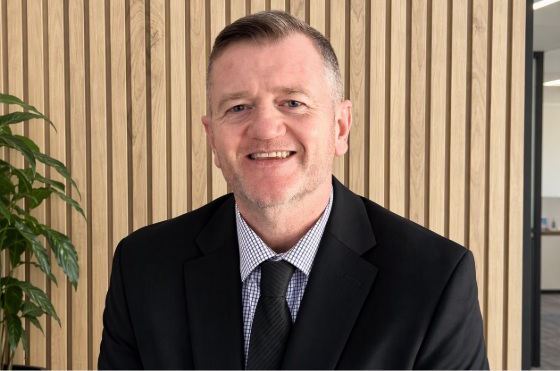
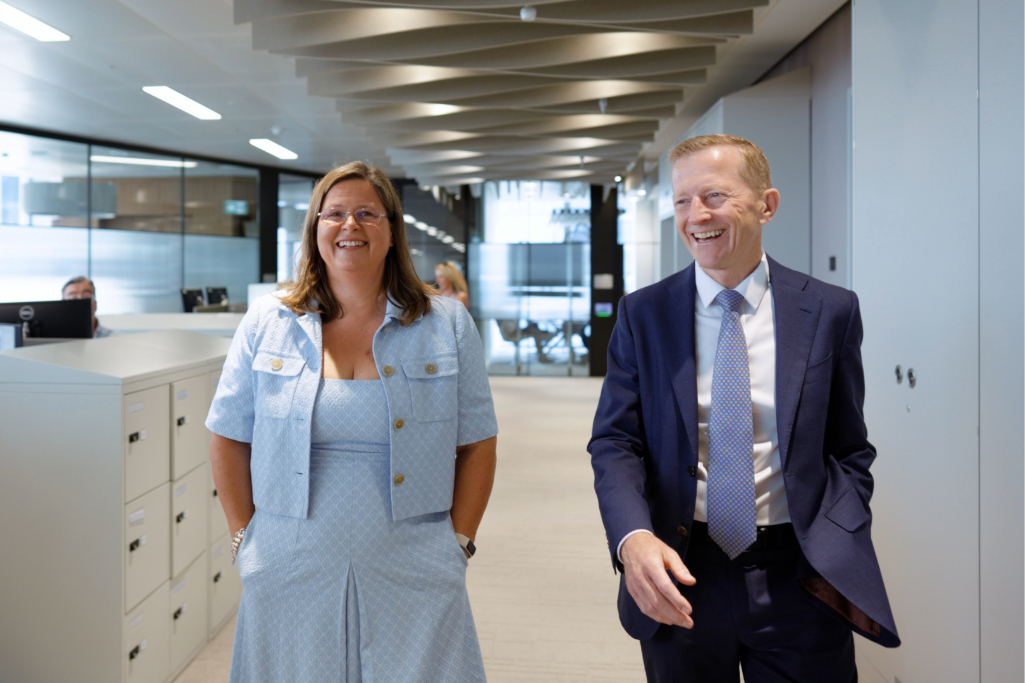
You can read more about why we're partnering with Small Business Britain, as well as watch our introductory video with Ken Norgrove, CEO at Intact Insurance, and Michelle Ovens CBE, CEO and Founder at Small Business Britain.
You'll also find our other published case studies, so you can hear more examples of real businesses and how we're helping to make a difference to them.