Loading...
PinkSEO: Building cyber resilience in a connected world
19 November 2026
Read time: 5 minutes
We've partnered with Small Business Britain to better understand the challenges, opportunities and evolving risks they face. We're listening to small business owners with the aim of strengthening conversations between businesses, brokers and insurers. Not only to help deliver practical, relevant support, but to enable them to grow, build resilience and thrive.
We're putting together a series of case studies, where we explore real-life scenarios with UK-based small businesses. You'll find all of these stories here on our site, with a new one released each month.
Introducing the fifth case study of our series, where we focus on PinkSEO.
For many small businesses, a website is far more than a marketing tool. It's often the primary source of enquiries, a key sales channel, and an important way of building trust with customers.
As businesses become increasingly reliant on digital platforms, cyber risks continue to evolve. While many business owners focus on keeping their websites live and functional, some threats can remain hidden. These can impact performance, customer confidence and revenue without obvious warning signs.
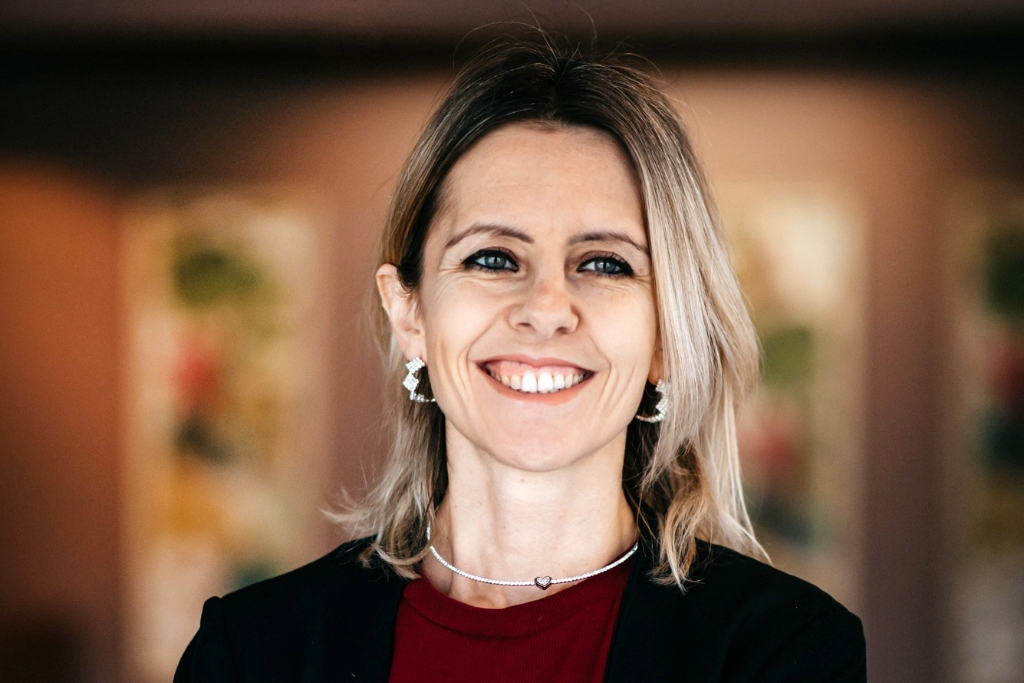
For Silvia Del Corso, Founder and Director of PinkSEO, helping businesses protect their online presence has become an increasingly important part of supporting long-term business resilience. The London-based SEO consultancy works with businesses across a range of sectors, helping them improve their online visibility while navigating an increasingly complex digital landscape.
We've always treated our clients' websites as if they were our own. A website isn't simply a marketing tool. For many small businesses, it's one of their most important assets.
Silvia Del Corso, Founder and Director of PinkSEO

Over the past year, PinkSEO has supported businesses affected by website compromises that were not immediately obvious.
In one case, a business experienced a significant drop in enquiries despite its website appearing to function normally. Investigation revealed that hackers had inserted gambling-related spam content into the site, which was visible to search engines but hidden from ordinary visitors.
While the initial clean-up removed the most obvious issues, further investigation uncovered additional problems that required ongoing monitoring and remediation.
The experience highlighted how cyber incidents can affect businesses in unexpected ways. Search visibility can decline, customer enquiries can reduce, and reputational damage can occur.
For Silvia, cybersecurity is not a one-off exercise but an ongoing business responsibility. As websites increasingly rely on third-party software, plugins and digital services, new vulnerabilities can emerge over time. The growing availability of AI tools is also changing the cyber landscape, creating new opportunities for both security professionals and cybercriminals alike.
Recognising these risks, PinkSEO has strengthened its own cyber resilience as the business has grown. The team has implemented stronger access controls, password management tools, multi-factor authentication and internal policies covering cybersecurity, data protection and the responsible use of AI.
For Silvia, small businesses do not need to become cybersecurity experts, but they do need to understand who is responsible for maintaining their systems, what protections are in place and where specialist support can be accessed if issues arise.
For brokers and business owners, PinkSEO demonstrates that cyber risks can affect organisations of every size, often in ways that aren't immediately apparent.
A cyber incident may impact far more than IT systems. Lost revenue, reduced enquiries, reputational damage, business interruption and recovery costs can all have significant consequences for small businesses. This is particularly relevant where websites, online platforms and digital communications form a core part of operations.
At Intact Insurance, we recognise that effective cyber resilience relies on a combination of people, processes and technology. While technical controls are important, everyday decisions can also play a significant role in reducing risk.
Businesses should also understand what support is available from website providers, hosting partners and IT suppliers. They should regularly review whether their insurance arrangements continue to reflect their digital activities, data exposure, and reliance on online services.
For Silvia, one of the biggest misconceptions is that small businesses are unlikely to be targeted. In reality, many cyber incidents occur because attackers exploit common vulnerabilities.
Staying cyber secure requires ongoing attention. Strong technical controls are important, but technology alone can't protect a business. The everyday decisions people make also play an important part in protecting systems, information and operations.
For anyone with access to business systems, simple actions can make a real difference. At Intact Insurance, the practical steps we encourage our own employees to take are equally relevant to small businesses:
For businesses unsure where to begin, the National Cyber Security Centre's Cyber Action Toolkit provides practical guidance designed specifically for sole traders and small businesses looking to improve their cyber resilience.
PinkSEO's experience highlights that cyber resilience is not simply about preventing attacks. It is about understanding risks, planning ahead and building the capability to respond effectively when disruption occurs.
Prevention is so much less disruptive than trying to recover from an incident.
Silvia Del Corso, Founder and Director of PinkSEO
PinkSEO demonstrates that cyber resilience is an essential part of modern business resilience. By combining strong cyber hygiene, clear responsibilities, effective business continuity planning and regular reviews of risk and insurance arrangements, small businesses can better protect their operations and reduce the impact of potential cyber incidents.
Cyber security is about protecting your business and the trust your customers place in you. That means understanding risk across your people, processes, technology and suppliers, not just responding to the latest threat.
Strong technical controls matter, but everyone has a part to play. Helping employees recognise risks, question unexpected requests and report concerns quickly when something doesn't look right, supported by a clear plan to respond and recover, can make a business much more resilient.
Katie Hermans, VP, Chief Information Security Officer at Intact Insurance

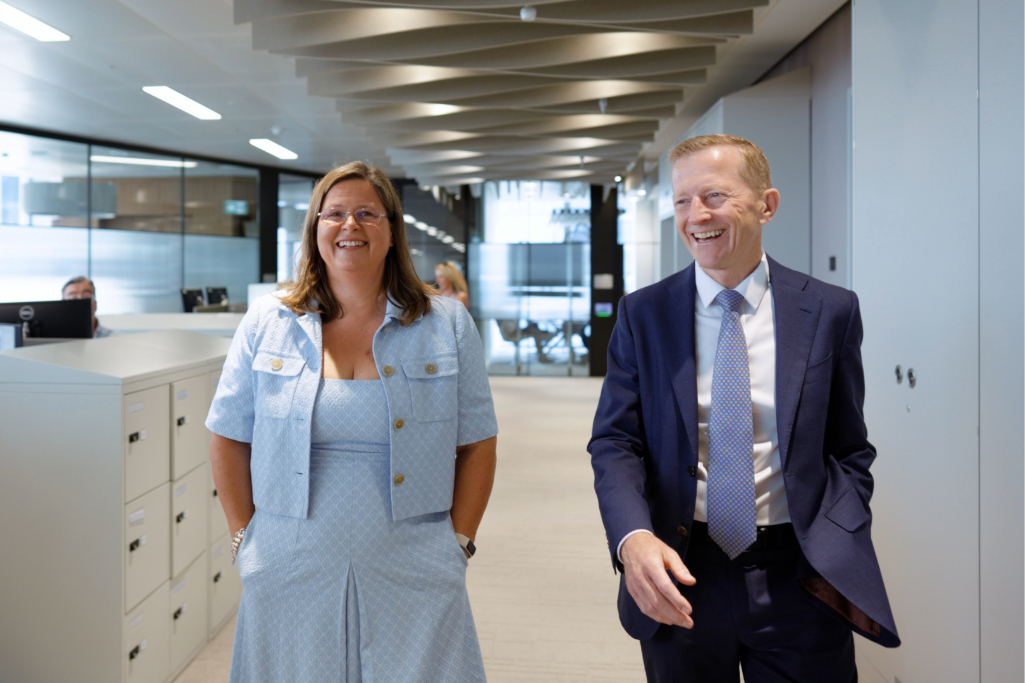
You can read more about why we're partnering with Small Business Britain, as well as watch our introductory video with Ken Norgrove, CEO at Intact Insurance, and Michelle Ovens CBE, CEO and Founder at Small Business Britain.
You'll also find our other published case studies, so you can hear more examples of real businesses and how we're helping to make a difference to them.