Loading...
The Chocolate Cellar: Building financial resilience through adaptability and community
10 September 2026
Read time: 8 minutes


We've partnered with Small Business Britain to better understand the challenges, opportunities and evolving risks they face. We're listening to small business owners with the aim of strengthening conversations between businesses, brokers and insurers. Not only to help deliver practical, relevant support, but to enable them to grow, build resilience and thrive.
We're putting together a series of case studies, where we explore real-life scenarios with UK-based small businesses. You'll find all of these stories here on our site, with a new one released each month.
Introducing the second case study of our series, where we focus on The Chocolate Cellar based in Liverpool.
For many small businesses, the summer months can provide a valuable opportunity to review financial performance, assess cash flow, and prepare for the months ahead. As trading patterns fluctuate and operating costs continue to evolve, understanding where money is being spent and how resources can be used more effectively can play an important role in building long-term resilience.
For Bala, founder of The Chocolate Cellar, financial resilience has been key to navigating the realities of running a small business.
What began as a passion for handmade chocolate and a desire to create moments of joy has grown into a business centred on craftsmanship, creativity and connection. Through artisan chocolates and chocolate-making workshops, The Chocolate Cellar brings people together while celebrating the quality and versatility of chocolate.
Since launching the business, Bala has experienced both the rewards and challenges of entrepreneurship, learning that resilience often comes from being prepared to adapt when circumstances change.
Like many small businesses, The Chocolate Cellar has faced a series of external pressures in recent years. The impact of COVID-19, Brexit, rising cocoa prices and increasing operating expenses have all created challenges that require careful financial management and forward planning. Maintaining healthy cash flow has become a key focus, helping the business respond to uncertainty while continuing to invest in future opportunities.
Rather than standing still, Bala has taken a proactive approach, regularly reviewing how the business operates and making adjustments in response to customer demand and changing market conditions.
For Bala, managing costs is not simply about cutting expenditure. It's about understanding the financial health of the business, making informed decisions, and ensuring resources are directed to the areas that will deliver the greatest long-term value.
This hasn't been easy but with some thought and care it has been possible to keep moving, changing and pivoting as needed.
Bala, The Chocolate Cellar
Over the past year, The Chocolate Cellar has entered a period of transition. Alongside running the chocolate business, Bala has been focused on relocating premises, renovating a former stable building and developing a new community-focused venture. While this has required the chocolate business to take a temporary step back, it has also created an opportunity to reassess priorities and plan for the future.
The next phase will focus on settling into the new premises, rebuilding momentum, and creating a stronger platform for sustainable growth.
This period of reflection has highlighted the importance of regularly reviewing business performance, understanding where time and resources create the greatest impact, and making strategic decisions that support long-term resilience.

While financial planning plays an important role in resilience, Bala believes no business succeeds in isolation. Support from customers, market organisers and the wider small business community has provided both practical assistance and encouragement.
Programmes such as Small Business Britain have also played a valuable role. They've offered access to training, resources and advice across areas including social media, sustainability and artificial intelligence.
Open communication with customers has been particularly important. This has really helped the business understand changing needs while building trust during periods of change.
For brokers and business owners alike, The Chocolate Cellar demonstrates the importance of maintaining visibility over costs, cash flow and operational priorities.
External economic pressures cannot always be controlled. However, businesses can strengthen resilience by regularly reviewing financial performance, understanding their obligations, planning for periods of lower revenue, and identifying opportunities to improve efficiency.
Brokers can play an important role in these conversations. They can help their customers think beyond day-to-day operations, and consider broader aspects of business continuity, risk management and long-term preparedness.
Taking time to assess potential vulnerabilities, review financial commitments, and understand where additional support may be needed can help businesses make more informed decisions. This is particularly important as they prepare for the second half of the year.
Reflecting on the realities of running a small business, Bala believes resilience comes from confronting challenges directly, remaining adaptable and being willing to seek support when needed.
It is essential to constantly evaluate your own personal commitment. Overall, is it still bringing you joy? If the answer is yes, then there is always something out there to help and someone you can reach out to who will be able to help.
Bala, The Chocolate Cellar
For business owners facing financial pressures, Bala's advice is straightforward: understand the challenges, focus on practical solutions, and do not be afraid to make difficult decisions when necessary.
The Chocolate Cellar's journey shows that financial resilience is not built through a single action. It develops over time through careful planning, disciplined decision-making, strong relationships, and a willingness to adapt when circumstances change.
The Chocolate Cellar demonstrates that managing costs and cash flow is about more than balancing the books. By regularly reviewing finances, planning ahead, maintaining strong customer relationships and focusing resources where they add the most value, small businesses can build greater resilience and position themselves for sustainable future growth.
We recognise that small businesses are constantly evolving, whether through new investments, changing customer behaviours or expanding services. While cost pressures remain a reality, keeping insurance aligned to those changes is a critical part of protecting long-term success. Regular conversations with a broker can help to ensure insurance cover keeps pace with the business they are building.
Jonathan Goulding, Small Business Portfolio Director at Intact Insurance

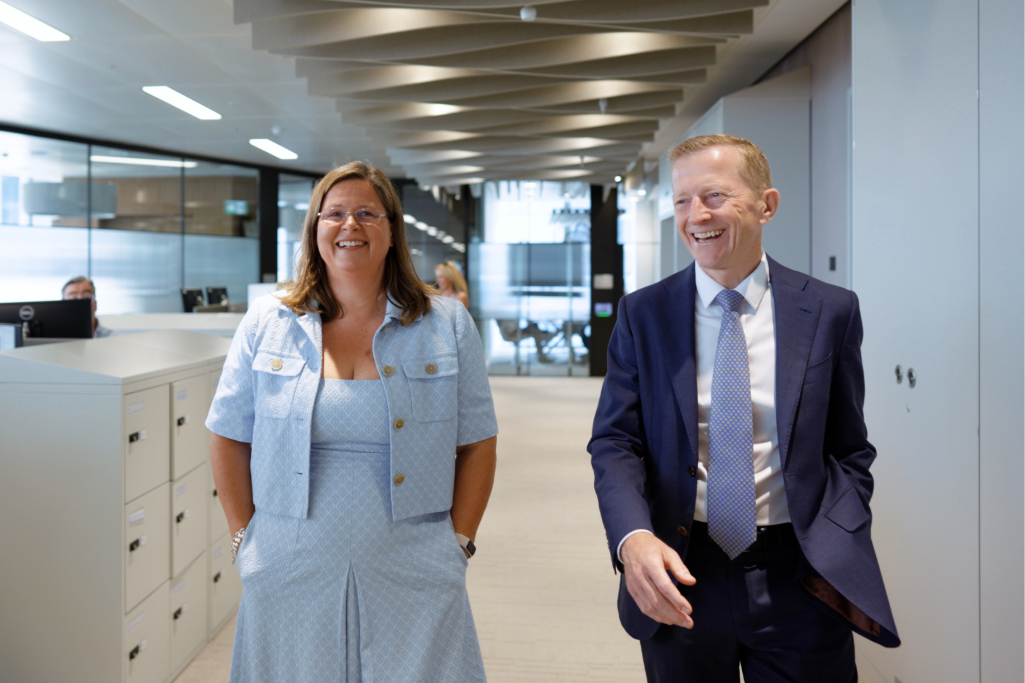
You can read more about why we're partnering with Small Business Britain, as well as watch our introductory video with Ken Norgrove, CEO at Intact Insurance, and Michelle Ovens CBE, CEO and Founder at Small Business Britain.
You'll also find our other published case studies, so you can hear more examples of real businesses and how we're helping to make a difference to them.