Loading...
How we're shaping the future of Property Flood Resilience for commercial properties
22 April 2026
Read time: 5 minutes
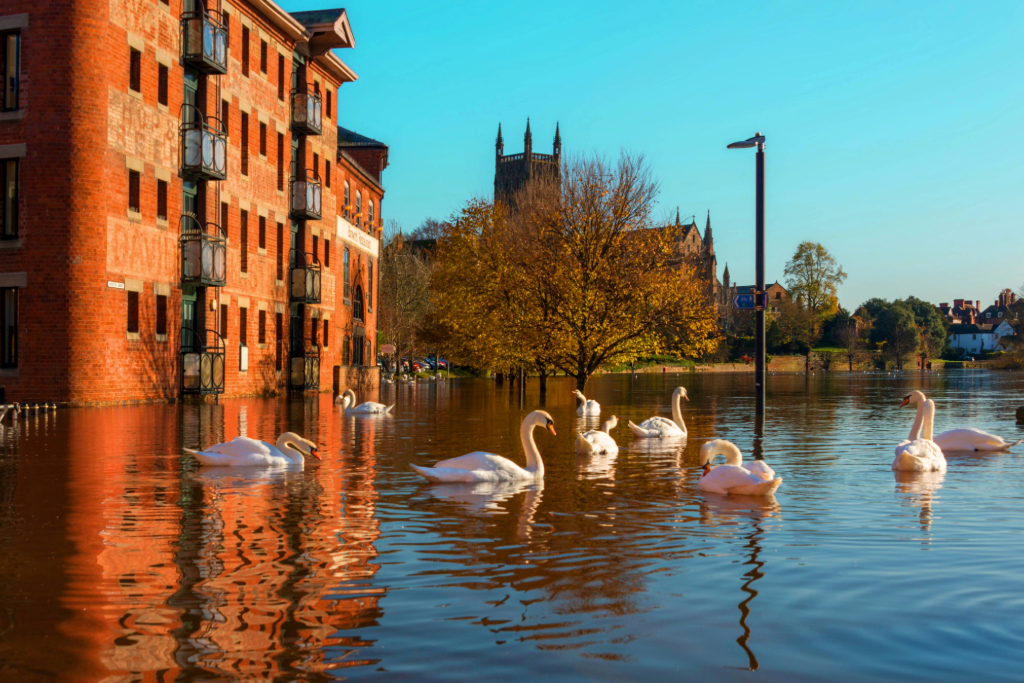
Flooding is one of the most significant and growing risks facing the UK, affecting properties and businesses. Property Flood Resilience (PFR) measures are proven to reduce damage and speed up recovery, however uptake in commercial properties remains inconsistent. It's imperative that as climate impacts continue to accelerate, we find innovative solutions to problems and support businesses and communities to become more resilient.
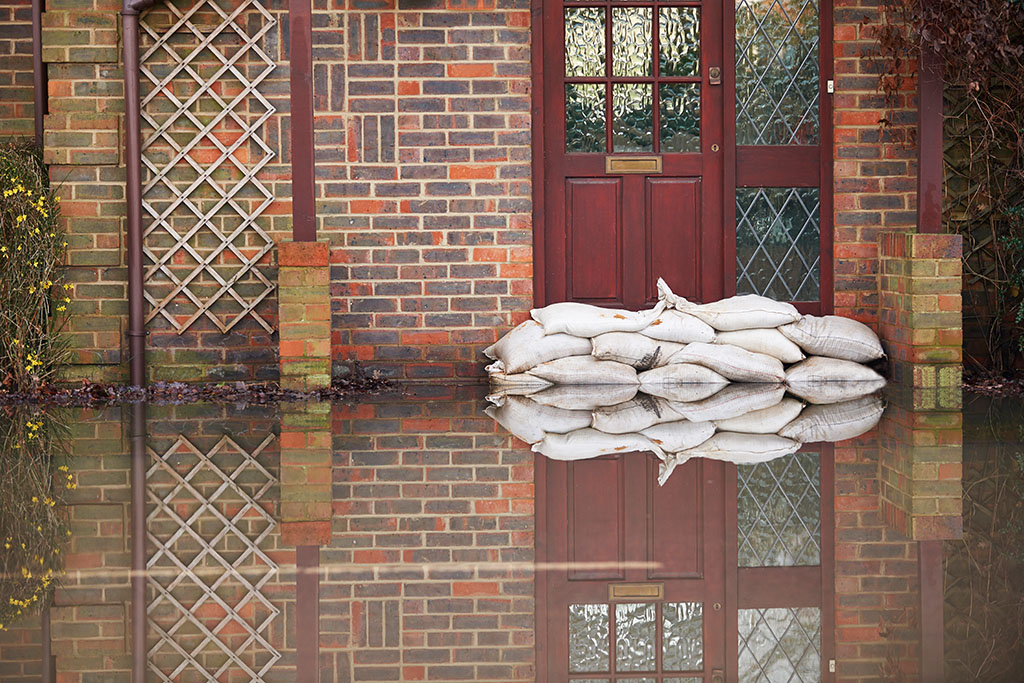
Today, we're launching a 'Blueprint for Innovation in Property Flood Resilience (PFR)' in partnership with the University of Hull. This research is about turning insight into action, identifying where we can influence the market and provide actionable recommendations when current flood resilience solutions fall short.
We've put together a one-pager which identifies key elements of the Blueprint, and you can also download the full Blueprint document.
The research led by the Energy and Environment Institute at Hull University shows that businesses need more practical flood resilience solutions to protect commercial properties. Priority areas identified where innovation can make a big difference include:
When businesses experience flooding, the impact goes far beyond physical damage. Downtime, loss of income and disruption of services can take months, if not longer, to recover from. Smarter property-level flood resilience will help businesses stay operational, recover quicker and reduce long-term losses.
Our research also highlights broader barriers impacting the implementation of PFR, including fragmented standards, limited testing capacity for products, and misalignment between planning, regulation and insurance. Addressing these challenges is key to making sure that resilience solutions are available, trusted and widely adapted.
Innovation opportunities include:
The report highlights clear gaps in today's flood resilience solutions for commercial properties - particularly the need for automatic flood doors, products that combine flood protection with fire safety and accessibility, and smarter solutions that reduce the need for human intervention. For us at Intact Insurance, this matters as it links real-world flood risk to practical, scalable solutions. The findings in the Blueprint show how specialty resilience products, supported by clear evidence, will help businesses recover faster and reduce long-term losses.
This research is a key step in advancing our mission, highlighting a clear opportunity to accelerate innovation in flood protection for commercial buildings. New solutions are needed to meet multiple requirements around safety, accessibility and operational continuity.
Graeme Smith, Chief Underwriting Officer for UK Commercial Lines at Intact Insurance
This Blueprint is the first step in a wider programme of work. Through our partnership with the University of Hull, we're helping to develop tools and rating frameworks that make flood resilience easier to assess, trust and invest in. This puts us at the centre of driving progress, helping our customers prepare for climate risk, supporting innovation in the market, and building more resilient communities for the future.
Future phases will focus on developing:
We'll also be sharing the findings with key people in the industry, policy makers, manufacturers and researchers. This'll help encourage the development, testing and adoption of new and more effective technologies. In the long-term, this will help PFR move from being seen as a niche solution to established practice and enable more sustainable, flood resilient communities.
The University of Hull is committed to developing real-world solutions to increasingly urgent climate challenges. This blueprint is the first step in an ambitious research partnership with Intact Insurance to help businesses and property owners adapt to the growing threat of flooding. It draws on our extensive expertise in flood resilience and leverages world-class research facilities at our PFRlab.
Greater innovation in the market is essential to drive wider adoption in commercial properties. This blueprint identifies both opportunities and barriers within a growing market to develop integrated solutions that meet technical, regulatory, and usability standards. It sets out actionable solutions, offering manufacturers practical ways to help businesses mitigate impacts, recover faster and reduce the long-term economic and social consequences of flooding.
Professor Stuart McLelland, Deputy Director of the Energy and Environment Institute and research leader at the University of Hull’s pioneering PFRlab