Loading...
Understanding overlooked fire risks in commercial properties
18 November 2026
Read time: 10 minutes

Fire, escape of water, and theft are some of the most widely recognised risks to properties.
In this guide, we explore five less obvious fire risks affecting commercial properties. These include electric vehicle (EV) charging, lithium-ion batteries, solar panels, biomass boilers and flammable liquids. While these risks can cause significant damage, they can often be managed effectively with the right installation, maintenance and safety measures in place.
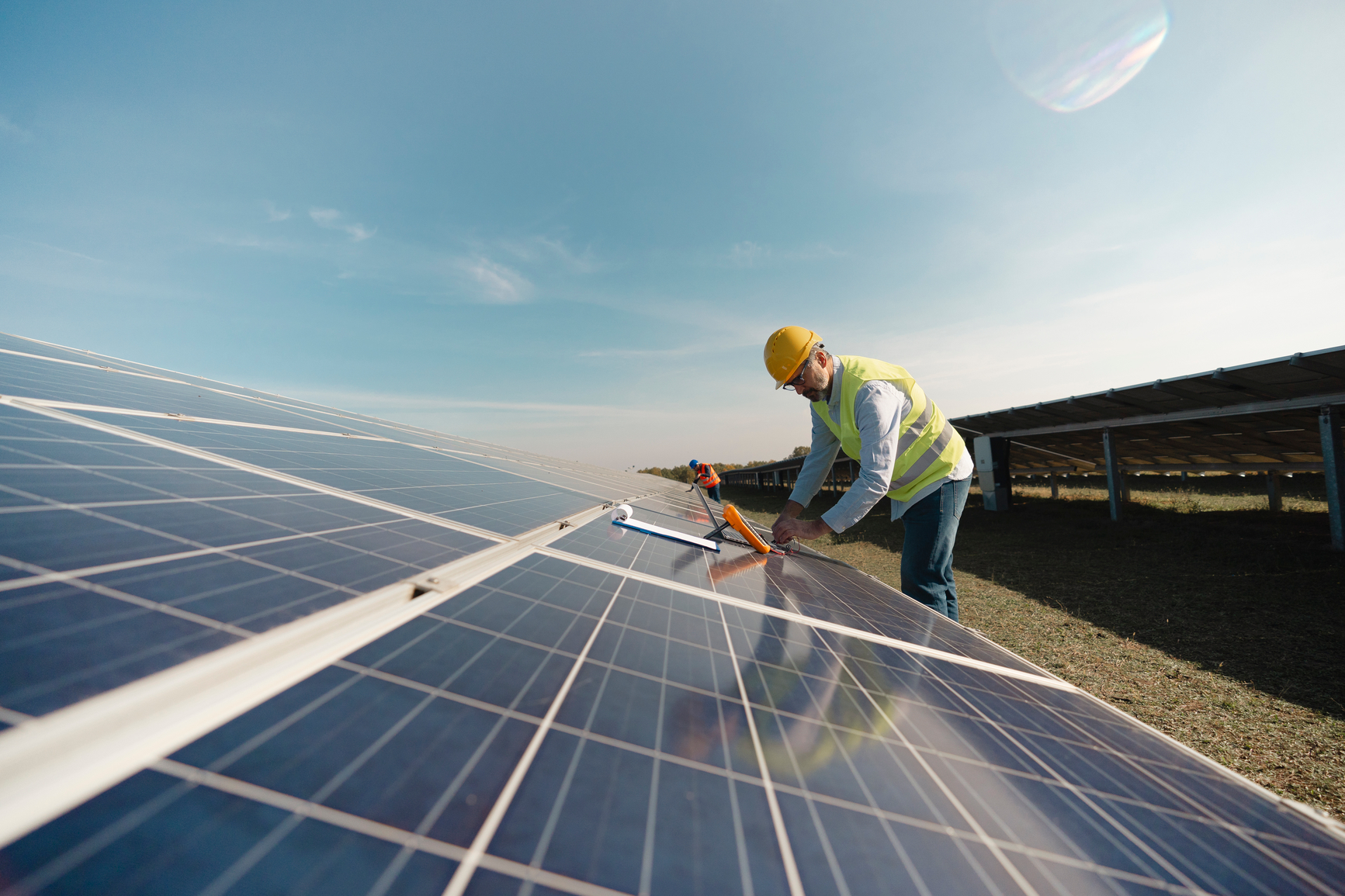
Solar panels can be found on a lot of commercial buildings across the UK, but once installed, they can easily become out of sight and out of mind. Electrical faults, defective equipment and overheating can all contribute to fire risk, with the potential for a rooftop fire to spread to the building below.
Fires involving photovoltaic (PV) systems are uncommon. However, solar installations introduce electrical systems to a building’s roof. Faults caused by damaged cables, corrosion, or overheating can increase the risk of fire.
For owners of commercial buildings, managing this risk comes down to two key considerations. The first is assessing the roof before installation. The second is regularly cleaning and maintaining the system over time.
Building owners considering solar panels should notify their broker and insurer as early as possible. The panels are only part of that picture. The roof's construction can influence how a fire develops and spreads. This is especially important where combustible materials are present.
We’re here to support brokers and their customers in managing these risks. Our risk experts are able to provide risk management advice on areas such as the building, roof design and potential fire exposures.
Don't fit and forget. Once the panels are on the roof, regular inspection, cleaning and maintenance become an important part of managing the fire risk. Over time, dirt and debris can cause partial shading. These create hot spots that can develop into faults. While moisture entering electrical components can lead to short circuits and system failure.
Brokers can encourage their customers to have a planned cleaning and maintenance programme in place. For commercial systems, annual inspection with regular cleaning can be determined by a risk assessment.
Preventative maintenance can help identify problems before they develop further. Infrared thermography can be used to assess the health of the PV system. At the same time, cables and connectors should be checked for potential damage or water ingress. When repairs are required, appropriate manufacturer-approved parts should be used.
For more information, see our photovoltaic panel risk control guide.

Lithium-ion batteries are everywhere. Powering everything from laptops and phones to other rechargeable devices. But if a battery is damaged, incorrectly charged or exposed to excessive heat, it can enter thermal runaway. This uncontrolled rise in temperature can result in fire, explosion, and the release of harmful gases.
How batteries are stored, handled and charged all play an important role in managing the fire risk. Especially if they are damaged or defective.
Regularly check batteries for signs of damage, heating or swelling. Take particular care with batteries that have been dropped or punctured. Damaged or defective batteries should be removed from use and managed appropriately. Do not return them to normal storage.
The risk of fire is greatest when lithium-ion batteries are charging. Avoid charging batteries in storage areas, warehouses or stockrooms as a battery fire can spread quickly to nearby stock, packaging and other combustible materials. Instead use a dedicated charging area, separated from storage. Make sure to support it with appropriate fire safety measures.
Keep them away from nearby materials, to help prevent a fire from spreading. Avoid storing them in direct sunlight or in locations at risk of flooding. Ensure storage areas have appropriate ventilation and temperature controls.
Looking for more practical advice? Explore our Lithium-ion batteries risk control guide.
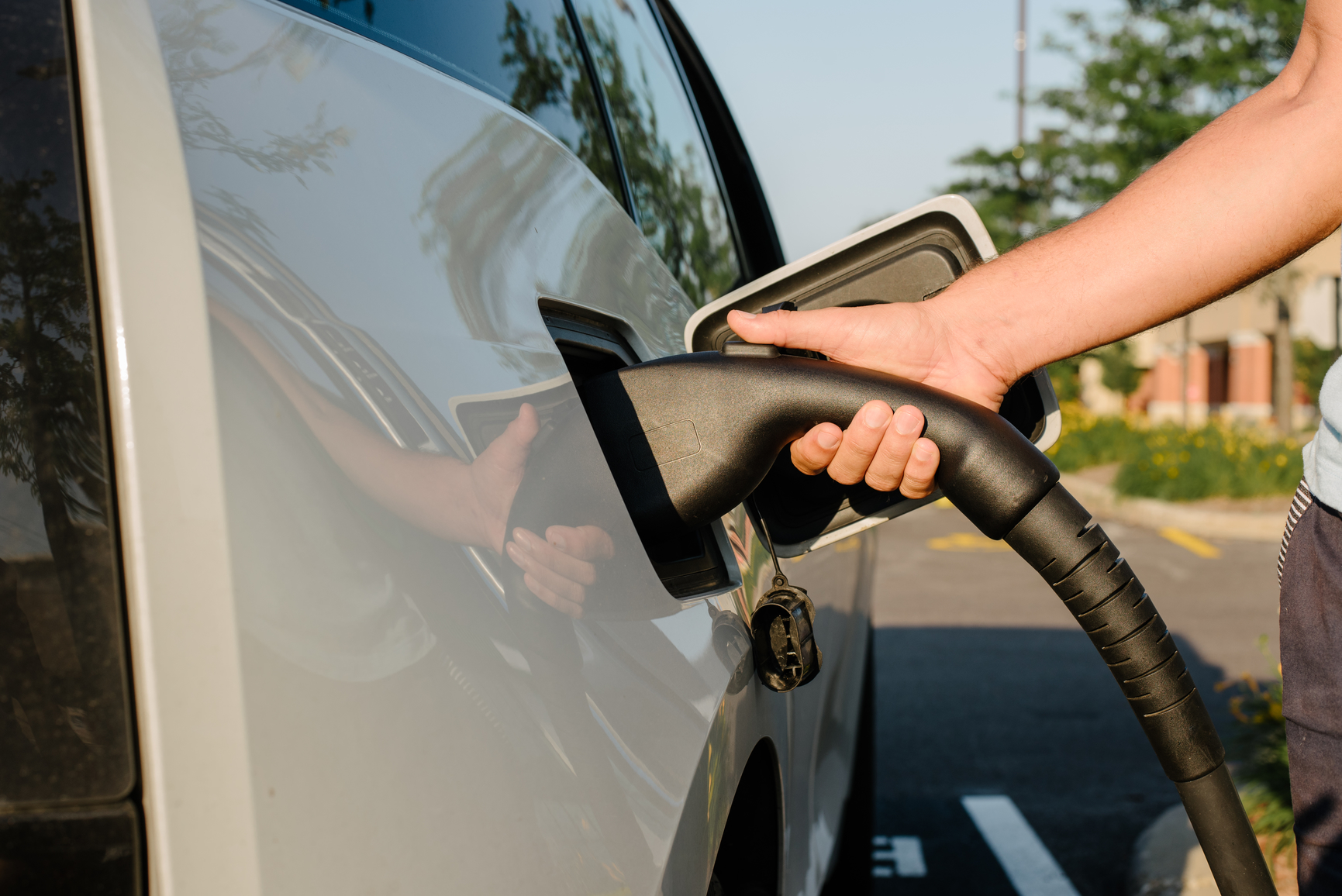
Installing EV charging points may be a valuable addition to your premises. However, it also means introducing additional electrical equipment onto the property. While the lithium-ion batteries within EVs present their own fire risks, it's equally important to consider the infrastructure supporting them. This includes the electrical supply, chargers, cables, and where they are installed on a property.
For more guidance on the safe storage and charging of electrically powered personal vehicles see our EV risk control guide.
Three things to consider before installing EV charging points to your premises

Choose a location that minimises the risk of impact from moving or parked vehicles. Protective measures, such as bollards or barriers, may be required, and the surrounding area should be kept clear of combustible materials to help reduce potential fire risk.

EV charging can place additional demands on a building’s electrical system. Before installation, make sure the existing electrical supply and equipment are suitable and that the charger is installed by a professional. Faulty equipment or poor connections can overheat or spark, creating a potential source of ignition.

Chargers and associated equipment should be maintained in line with manufacturers' guidance. Regular inspections can help to identify damaged cables, charging units, loose connections, and signs of water damage or overheating.
Biomass boilers use combustible fuels such as wood pellets and wood chips. These can introduce fire risks that may not immediately be associated with the heating system itself.
Under certain conditions, including temperature and moisture, stored biomass can self-heat and potentially lead to combustion. Fires within larger volumes of stored fuel can also develop slowly and may be well established before they are discovered.
Some key areas to focus on when managing biomass boiler risks include:
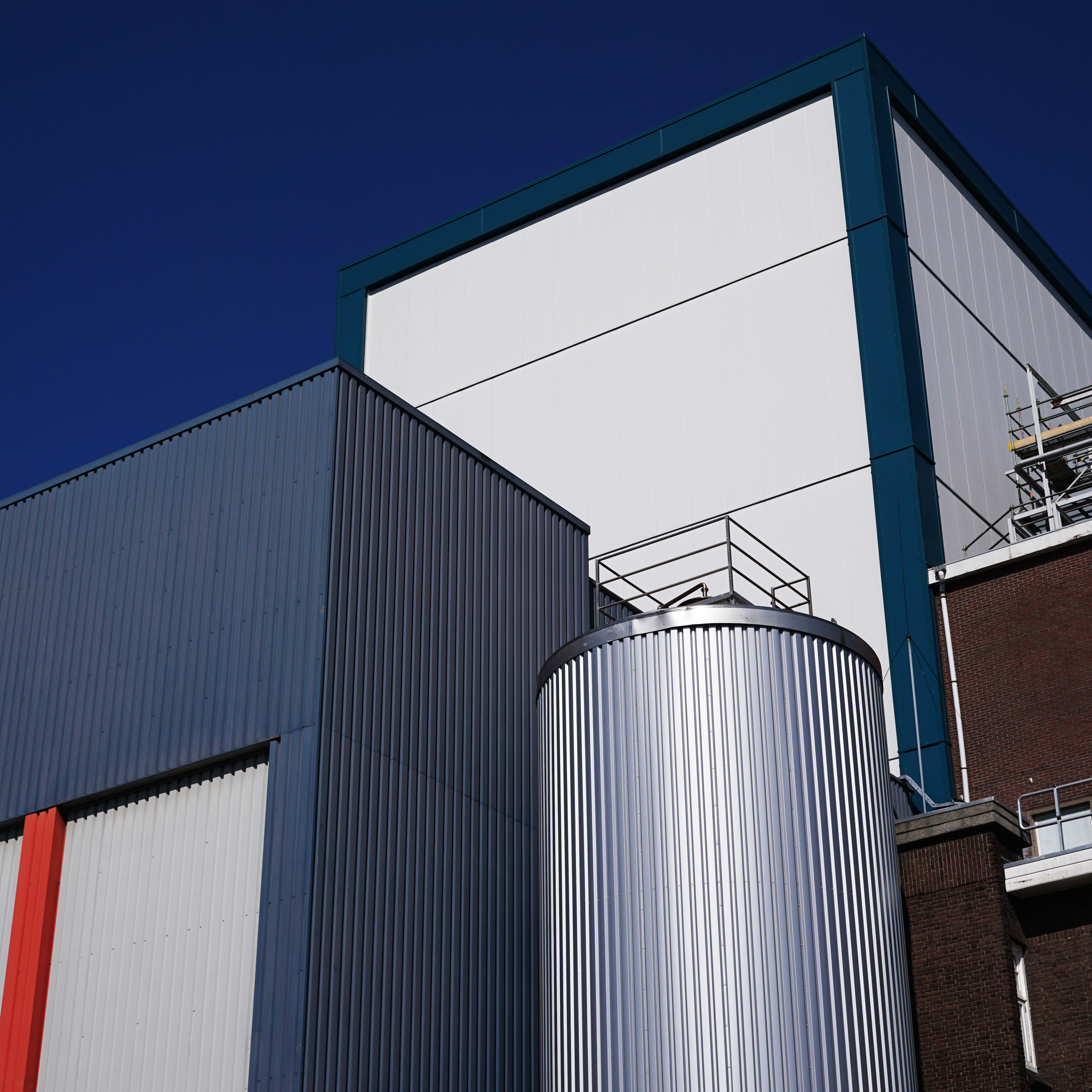
Flammable liquids can be found across many commercial properties. From heating fuels and solvents to inks, petrol, and paint thinners, these materials can present a significant fire risk if they are not stored or handled appropriately.
If a liquid spills or flammable vapours reach an ignition source, this may result in a fire or explosion.
For building owners, knowing what flammable materials are present and where and how they are stored is key to managing the risk. Storage, spill containment, ventilation, and potential ignition sources should all form part of managing the exposure.
Three considerations for flammable liquids
Protecting a commercial building means looking beyond the obvious. Taking the time to understand less familiar fire and electrical exposures such as EV charging, lithium-ion batteries, solar panels, biomass boilers and flammable liquids, can help building owners make more informed decisions about how risks are managed within their properties.
At Intact Insurance, our commitment goes beyond supporting you and your customers today. We provide them with guidance and resources to support informed decisions about how fire and electrical exposures can be identified, assessed and managed. By helping customers prepare for changing and emerging risks, we aim to support greater resilience for their businesses and buildings into the future.
For more detailed guidance, explore our Risk Assist portal. This offers practical information and resources to help you better understand and prepare to manage these risks.
Risk Assist is our digital risk management platform. It offers 24/7 access to guidance, tools and training to help customers manage real risks and boost business resilience.

Insurance for businesses that own, occupy or invest in commercial or residential property. Find cover for single premises, property portfolios and complex or multinational risks.

Article by:
Digital Communications Executive
Article by:
Digital Communications Executive
Ruthie is a Digital Communications Executive with expertise in digital marketing and content creation across social and digital platforms. She specialises in storytelling, crafting clear and engaging narratives that bring complex topics to life.
Read more by this author:
Crisis averted: How our expertise prevented a high stake claim