Loading...
What agriculture business owners should know about wildfire risk
19 August 2026
Read time: 13 minutes
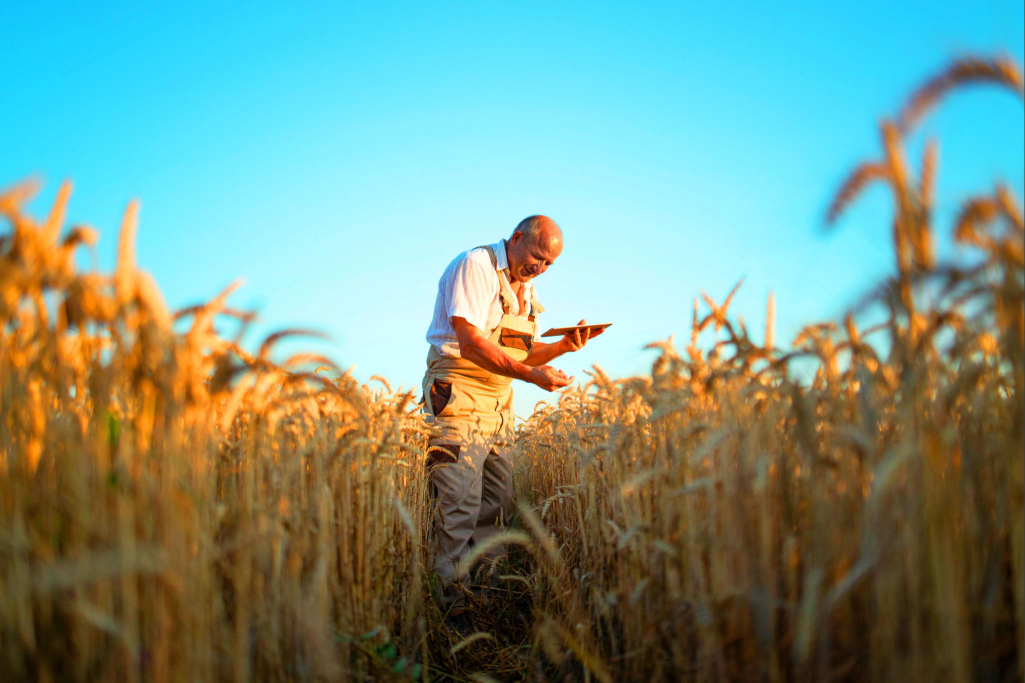
As climate patterns continue to shift, wildfire is emerging as a much more significant risk for UK agriculture businesses. In the UK, we're experiencing longer periods of hot, dry weather. This, combined with increasingly combustible vegetation and intensive harvesting operations, are creating conditions where a single spark can lead to substantial financial losses.
For farmers, estate managers, landowners and agricultural businesses, the consequences can extend far beyond the immediate fire damage. For brokers, wildfire risk presents an important opportunity. They can help clients strengthen resilience, reduce exposures and ensure insurance arrangements remain fit for purpose.
Although wildfires are often associated with other parts of the world, they are becoming more common across the UK. Agricultural businesses can be particularly vulnerable. This is due to their exposure to large areas of vegetation, crops, hay and straw storage, farm machinery and remote operating locations.
The impact of a wildfire can be significant, potentially resulting in:
For many businesses, the indirect costs can exceed the initial property damage. This is particularly so where harvesting schedules, livestock welfare or contractual commitments are affected.
It's important to note that wildfires are not just a rural issue. There have been instances where wildfires have occured in residential and built-up areas close to cities and major roads in the UK.

A wildfire risk assessment should form part of every agriculture business' seasonal planning process. It's particularly important before the higher-risk period between April and September.
Businesses should assess:
For business owners, understanding where ignition risks exist is a starting point. This can enable targeted investment in preventative measures rather than reacting after a loss.
For brokers, a documented wildfire risk assessment can help demonstrate proactive risk management. It can also support underwriting discussions, and potentially improve the quality of risk information presented to insurers.
One of the most effective ways to limit wildfire spread is through vegetation management. Creating and maintaining fire breaks around buildings, woodland boundaries, fuel storage locations and public access routes can help slow or contain the spread of fire. Regular management of field margins, dry vegetation, bracken, gorse and scrub can also reduce available fuel loads. Crop selection should be carefully considered in areas where heritage railways operate coal-fired steam trains on their lines.
Following harvest, businesses should consider:
Wildfire losses are often driven by how quickly a fire spreads rather than how it starts. Proactive vegetation management can significantly reduce the scale of damage and improve the chances of protecting key assets.
Lowland peat farms can suffer long-term damage as a result of a fire. The dry peat can easily catch fire, which in turn supports underground smouldering that is extremely difficult to put out. It can destroy the soil structure, and release massive amounts of carbon into the atmosphere.
Agricultural machinery continues to be one of the most common causes of harvest-related fires. Systems and equipment can generate heat or sparks capable of igniting dry vegetation.
Daily inspection and cleaning routines should focus on removing any areas of contamination. Businesses should also maintain preventative maintenance programmes, and address hydraulic leaks or damaged wiring quickly.
Appropriate fire extinguishers should be carried on harvesting equipment. There should also be suitable communication methods and trained operators available. Fire extinguishers should be serviced annually, be easily accessible, and suitable for Class A and electrical fires.
A relatively minor machinery fault can quickly escalate into a major loss event. This could affect crops, neighbouring land and business operations. Preventative maintenance is often one of the simplest and most cost-effective risk controls available.
Business owners should consider the postponement of non-urgent hot works until the autumn. This could include things like the demolition of redundant buildings where torch cutting or friction grinding might be needed to break down steel work.
Stephen Mowbray, Risk Consulting Lead at Intact Insurance
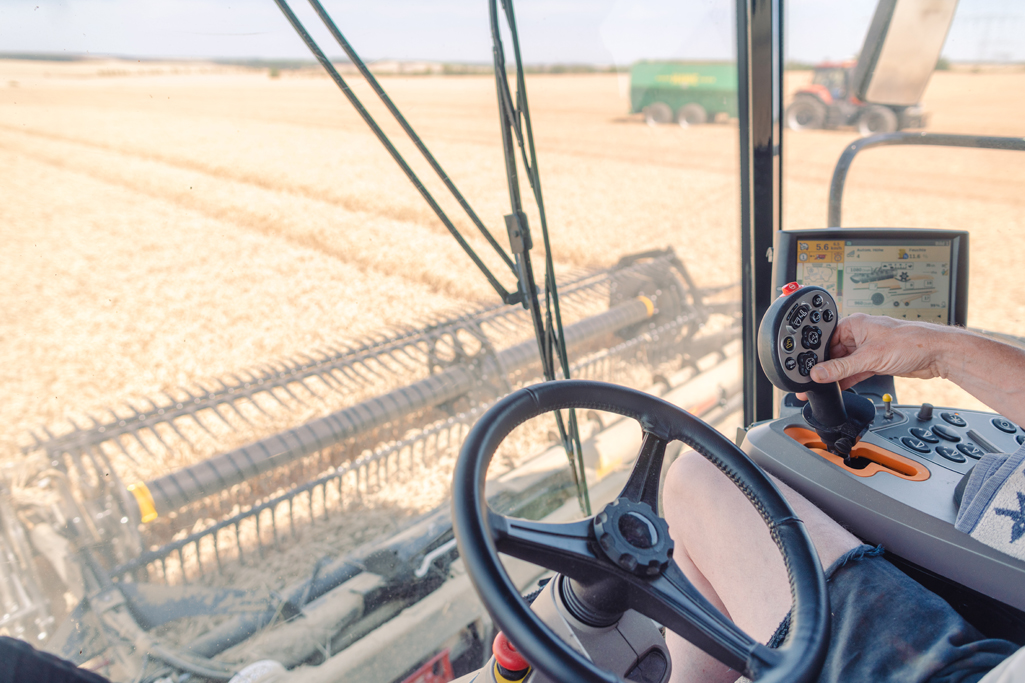
Operators of machinery should check:
Farm buildings and storage areas require particular attention during periods of heightened wildfire risk.
Vegetation-free buffer zones should be maintained around grain stores, livestock buildings, workshops and residential properties. Equally important is the management of hay and straw storage. This ensures material is sufficiently dry before storage and monitored for signs of heating or moisture ingress.
Fuel storage areas should have appropriate separation distances, vegetation clearance and emergency access routes. After use, combines and other machinery should be given time to cool down and be cleared before storing them in sheds.
Concentrated asset values can turn a localised fire into a major insurance claim. Good housekeeping and storage practices can help reduce both the frequency and severity of losses.
Recent fire outbreaks in the UK are an important reminder to consider storage arrangements. The local fire brigade should be informed when quantities exceed 150 tonnes of ammonium nitrate where the nitrogen content exceeds 15.75%. Farmers should consider fire breaks and crop types in the vicinity of fertiliser stores.
Stephen Mowbray, Risk Consulting Lead at Intact Insurance
Preparedness extends beyond physical assets. Businesses should have arrangements in place to protect employees, contractors and livestock.
This includes:
Effective emergency planning can help business resilience. It can help reduce response times, support emergency services and help minimise disruption following an incident.
If a wildfire starts, the immediate priorities are as follows:

Call 999 to report the fire, providing accurate location information.

Making those around you aware can eliminate further risk. Warn any staff on-site, and those in surrounding or neighbouring areas and properties.

Move any livestock if safe to do so, and evacuate non-essential personnel. Remember to try and protect life before property.
The most effective wildfire strategy for agricultural businesses is built around five key principles:
By combining these measures, UK agricultural businesses can significantly reduce both the likelihood of wildfire occurrence, and the severity of losses should a fire occur.
As wildfire risk evolves, insurance should be viewed as one component of a wider resilience strategy. This is as opposed to a standalone solution. Agricultural businesses should regularly review whether sums insured remain adequate for:
Maintaining digital copies of key records, asset inventories and insurance documentation can also support a faster recovery following a loss.
By combining effective risk controls with appropriate insurance protection, brokers can help their customers build resilience against potential threats.
Our parent company, Intact Financial Corporation (IFC), offer a global understanding of climate and wildfire risks. Their climate centre site contains a wealth of useful risk preparedness information. This includes a practical wildfire smoke protection at home guide.

Wildfire risk management is ultimately built around five key principles: prevention, fuel management, preparedness, protection and recovery. Businesses that address each of these areas are likely to be better positioned to protect people, property and operations.
The frequency and severity of extreme weather events are continuing to evolve. Taking action before the fire season begins could make a significant difference to both the outcome of an incident, and speed of recovery.
At Intact Insurance, we have in-house risk expertise to help businesses be safer, stronger and more resilient. We work with you to identify, understand and manage risks. This can help you to limit the likelihood of incidents and the severity of claims.

Article by:
SEO and Web Content Manager
Article by:
SEO and Web Content Manager
Carmen is an SEO and Web Content Manager with a specialism in clear, compelling copywriting. She’s skilled at transforming complex insurance topics into engaging, easy‑to‑digest content that helps users make confident decisions.
Read more by this author: