Loading...
Understanding the growing risk of subsidence and flash flooding for commercial properties
21 October 2026
Read time: 13 minutes
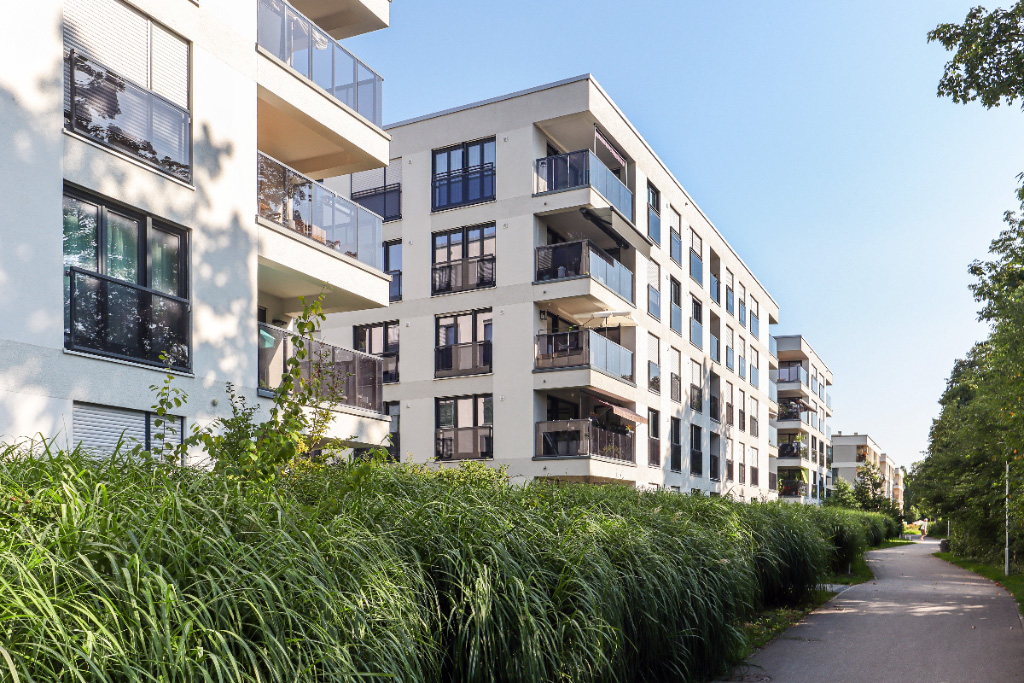
Prolonged periods of hot, dry weather can have consequences that extend far beyond uncomfortable temperatures. For those who own, occupy or rent commercial buildings, drought conditions can create a hidden risk beneath the ground. Sudden heavy rainfall following dry spells can trigger flash flooding, subsidence and significant property damage.
As weather patterns become increasingly unpredictable, brokers have an important role to play in helping their customers understand emerging risks, and ensure their insurance arrangements continue to reflect changing exposures.
It's common to associate flooding with winter storms and subsidence with ageing buildings. However, both risks can be significantly influenced by extended spells of hot, dry weather.
When the ground loses moisture during drought conditions, certain soil types (particularly clay soils) can shrink and move. This ground movement can place stress on building foundations, and can lead to subsidence.
At the same time, dry, hardened ground can become less able to absorb large amounts of rainfall when storms arrive. Instead of soaking into the soil, water is more likely to run across the surface, increasing the risk of localised flash flooding.
For owners of commercial properties, mixed-use buildings, industrial premises and let properties, the combination of drought and sudden rainfall can present a dual challenge.
Subsidence occurs when the ground beneath a building moves downward, causing foundations to shift. Not every crack indicates a serious issue, but there may be common warning signs, including:

Any new or widening cracks in walls, particularly around doors and windows. You might also notice doors or windows becoming difficult to open or close.

You may visibly notice movement between the main building and any extensions, or if floors start to slope.

Wallpaper can become rippled, and it's not been caused by dampness.
Properties built on clay-rich soils can be particularly susceptible during extended dry periods, especially where large trees or vegetation are drawing moisture from the ground nearby. Early identification can help prevent more significant damage and reduce disruption to tenants or business operations.
There may be some obvious underlying causes of subsidence on a building, or within the grounds of a property. Things to look out for include:
If a leak is observed, ensure it's repaired in a timely manner. This could be from a broken waste pipe, leaking water mains, or faulty guttering. These can contribute to washing away or softening supporting soil, leading to subsidence. Checking drains and pipes annually can help prevent hidden underground erosion.
If there are large trees or shrubs close by, their roots can absorb water from the ground - this can be particularly common in clay soil. A professional surveyor can advise what steps need to be taken to remove or reduce the size of a tree to keep this under control. Sudden removal can, however, cause ground heave which can lead to subsidence.
If other risks have been eliminated, there could be issues with a building's foundations. Underpinning deepens and strengthens existing foundations with concrete or engineered support. Professional surveyors can advise on what's appropriate for your building.
It may seem counterintuitive, but some of the most severe localised flooding can occur after dry weather. When intense rainfall falls on dry, compacted ground, drainage systems can quickly become overwhelmed. Surface water can accumulate rapidly, particularly in urban areas where hard landscaping and paved surfaces limit natural drainage.
Flooding can be caused not only by rivers, reservoirs and coastal-area flooding, but also by intense rainstorms that drainage systems cannot cope with. Owners of commercial buildings should therefore consider their potential exposure, even in locations that are not traditionally considered flood-prone. This is particularly relevant for commercial property portfolios where sites may have varying flood exposures and different levels of resilience.
While flood risk cannot always be eliminated, there are measures that can be taken to reduce the likelihood and severity of damage.
Regular inspection and maintenance of gutters, downpipes, drains, gullies and drainage channels is essential. Blocked drainage systems can significantly increase the impact of heavy rainfall events.
Top tip: Ensure drains are cleaned regularly and kept free from obstruction. Lift manhole covers to check the drains are clean and there are no blockages.
Electrical installations, plant equipment and other critical assets should be reviewed to assess their vulnerability to floodwater.
Top tip: Elevate or protect critical equipment where practical, and consider automatic sump pumps in flood-prone basements.
Where possible, stock and valuable contents should not be stored directly on the floor. Using pallets or raised storage can help minimise water damage should flooding occur.
Depending on the property's exposure, flood barriers, flood gates, drainage valves and sandbags may provide additional protection.
Preparation is often the difference between a manageable incident and a significant loss. Establishing a flood response plan is key, which can include:
Top tip: Establish clear trigger points for activating emergency plans, and ensure effective communication arrangements are in place should an emergency occur.
Once floodwaters have receded, safety should remain the primary concern. These measures can help reduce business interruption, and support a safer return to normal operations:

Ensuring electrical and fire protection equipment and supplies are inspected by a qualified person before reinstatement is key for safety.

Removing water and starting clean-up operations as soon as it's safe.

Take photos of any damage and the flood water line. Get in touch with your insurer to discuss next steps.
At Intact Insurance, we use comprehensive tools to assess potential subsidence and flood risks down to individual property level. We can use these to help inform customer decisions on new purchases, and whether or not they may benefit from implementing any mitigating measures at their properties.
Lee Jackson, Technical Specialist - Property at Intact Insurance
Flooding is one of the most significant and growing risks facing the UK. It's critical that as climate impacts continue to accelerate, we come up with solutions and support businesses and communities become more resilient.
We've partnered with the University of Hull, and we've launched a Blueprint for Innovation in Property Flood Resilience. We've created a useful one-pager which identifies key elements of the Blueprint. In turn, we hope that the research we're undertaking will help turn insight into action, identify where we can influence the market, and provide actionable recommendations when current flood resilience solutions fall short.

As extreme weather events become more frequent and unpredictable, brokers are increasingly helping customers consider how environmental risks can affect their properties and businesses. Whether the concern is subsidence following prolonged drought, flash flooding after intense rainfall, or the combined impact of both, having the right protection in place is more important than ever.
At Intact Insurance, we've continued to enhance our property proposition to support a broader range of clients. With wider eligibility criteria, a broader underwriting appetite and greater flexibility across our property products, we're helping brokers place more risks with confidence and deliver solutions that better reflect their customers' evolving needs.

With every Intact Insurance policy, we offer professional resources including:

Article by:
SEO and Content Manager
Article by:
SEO and Content Manager
Carmen is an SEO and Content Manager who specialises in clear, compelling copywriting. Carmen is skilled at transforming complex wording and topics into engaging, easy‑to‑digest content that helps users make confident decisions.